
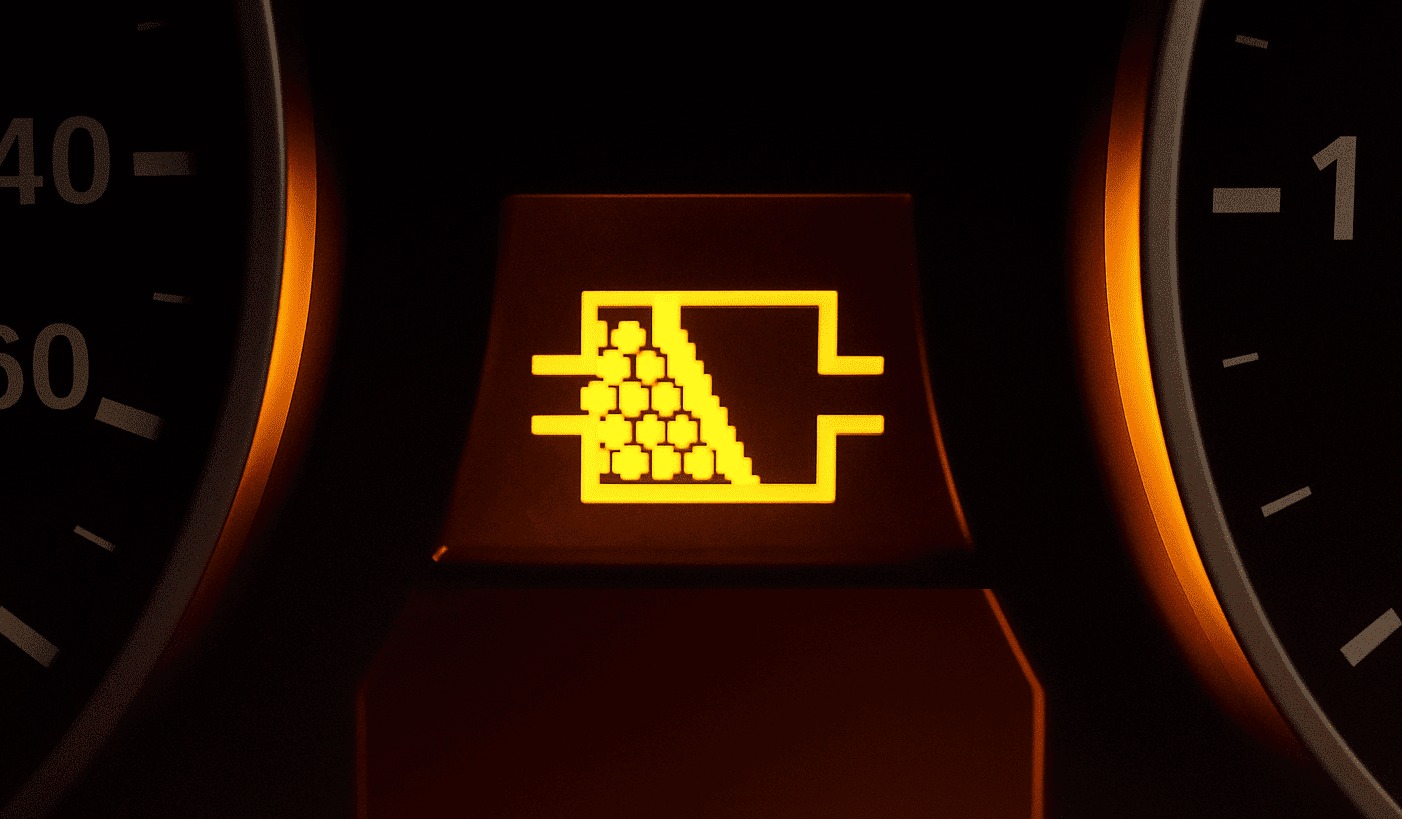
Modern trucks and diesel vehicles have become incredibly smart, constantly monitoring their emissions systems to protect the engine, the environment, and your wallet.
Yet, when that bright emissions warning light pops up on the dashboard, it can instantly turn confidence into concern.
Studies in fleet maintenance show that ignoring emissions alerts often leads to higher repair costs and unexpected downtime. So the real question is not whether the light matters, but how quickly and wisely you respond to it.
In this guide, we will talk in a calm, practical, and helpful way about what those lights actually mean, how to diagnose the issue, and what repair steps truly make sense.
What Diesel Emissions Warning Lights Are Really Telling You
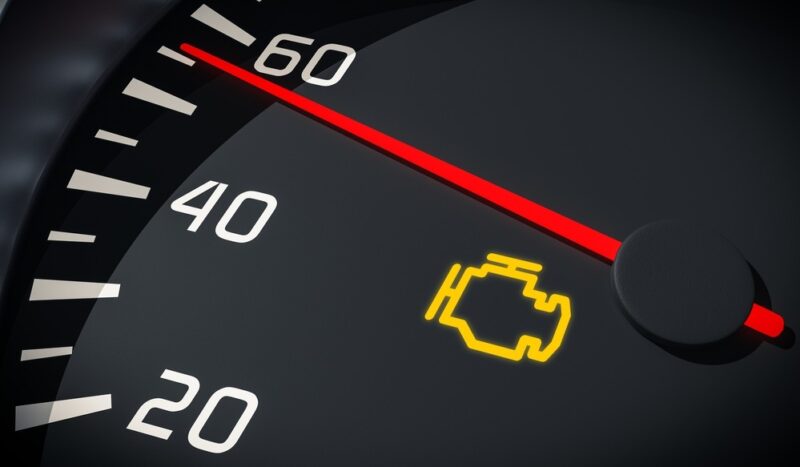
Before panicking, it helps to understand that emissions warning indicators are essentially communication tools. They do not exist to scare drivers, but to protect the system from bigger failures like clogged filters, injector damage, or exhaust aftertreatment breakdowns.
These alerts often appear long before catastrophic damage happens, giving you a crucial window to act. Most lights indicate increased emissions, malfunctioning sensors, or a reduction in exhaust system efficiency.
If left unattended, the vehicle may eventually reduce engine power to protect itself. Understanding the intention behind these alerts helps drivers respond with clarity instead of worry.
First Diagnosis Steps You Should Take
This is where smart decision making truly begins. When the warning light turns on, the best first move is to stay calm, monitor performance changes, and read the vehicle fault codes using a scan tool.
At this early stage, drivers often discover issues related to DEF levels, SCR systems, or clogged DPF filters. If the light relates to the Diesel Exhaust Fluid system, professional help becomes incredibly valuable.
Many experts recommend turning to specialized DEF repair services because accurate system repair prevents expensive emissions failures later. Responding early can save money, time, and frustration.
Common Reasons These Warning Lights Activate
Sometimes it is something simple, other times it is not. The most frequent triggers include:
- Low Diesel Exhaust Fluid or contaminated DEF
- Malfunctioning NOx or oxygen sensors
- Clogged Diesel Particulate Filter
- Faults in exhaust aftertreatment components
- Incorrect fuel quality or poor maintenance
Each of these issues affects performance differently. Some reduce efficiency, some increase smoke, and others eventually force the engine into limp mode.
Recognizing these patterns helps drivers separate minor warnings from urgent problems. When you know what the system is reacting to, dealing with the issue becomes far less stressful.
Types Of Emissions Alerts And How Serious They Are
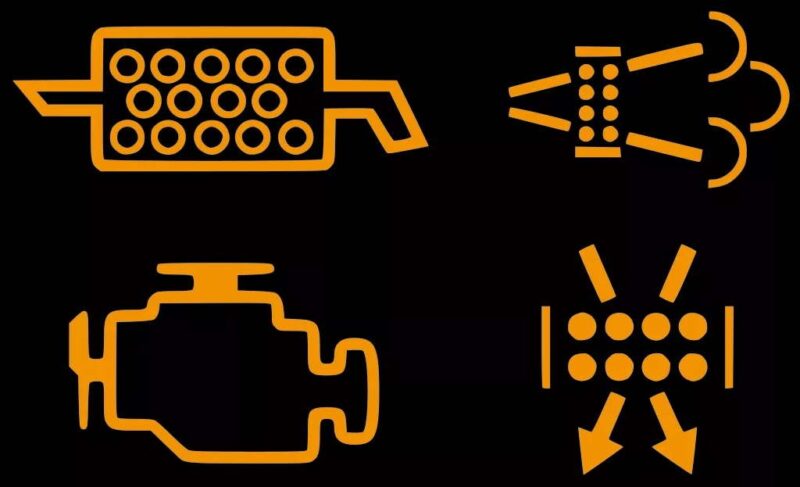
Below is a simple reference table that helps visualize what different alerts may imply:
| Indicator | What It Usually Means | Urgency Level |
| Emission System Light | Efficiency problem or sensor issue | Moderate |
| DPF Warning Light | Filter clogging or regeneration problem | High |
| DEF Warning Indicator | Low fluid or system malfunction | High |
Many drivers assume all warning lights mean immediate danger, but that is rarely the case.
This table helps frame the situation realistically. Some alerts give you time to schedule repairs, while others require faster attention to avoid power loss or system shutdown.
How To Drive Safely When The Emissions Light Is On
Sometimes the warning appears while you are already on the road, and the last thing anyone wants is panic.
If your vehicle still drives normally, it usually means you have time to handle the situation calmly and sensibly.
Avoid aggressive acceleration, monitor engine temperature, and watch for performance changes such as lower power, rough idling, or unusual smoke.
The safer you drive, the less strain you put on sensitive emission components, which can prevent the problem from becoming worse.
If the light starts flashing or power drops significantly, you should safely stop and seek professional assistance.
Helpful driving considerations until you reach help include:
- Reduce load and avoid towing if possible
- Keep RPM steady and avoid unnecessary revving
- Refill DEF if low and ensure it is not contaminated
Driving smart in this phase protects both your engine and your budget.
The Right Repair Steps To Follow
Once the problem is identified, the repair plan should follow a logical order.
First, fix simple contributors like topping or replacing DEF, clearing fault codes, or performing a forced DPF regeneration when required.
Next, inspect and replace faulty sensors because they often send misleading readings that confuse the system. If bigger aftertreatment components are affected, professional servicing is the safest path.
What matters is not only repairing the problem, but confirming the vehicle returns to normal emissions function.
A structured approach saves unnecessary spending and ensures the engine continues running smoothly.
Running a diesel vehicle with persistent emissions faults can eventually damage critical engine parts and increase repair costs.
Smart Maintenance That Prevents Future Emissions Problems

Good maintenance habits dramatically reduce the chance of seeing emissions alerts in the first place. Using quality diesel fuel, keeping DEF fresh, following recommended regeneration cycles, and servicing filters on time all make a significant impact.
Fleet studies show that vehicles with disciplined maintenance routines experience fewer breakdowns and far less downtime.
Drivers who listen to early warnings instead of ignoring them spend less money over time, which is exactly how preventive care is meant to work.
Did you know?
Many emission-related breakdowns are caused not by mechanical failure, but by postponed maintenance and contaminated DEF.
When It Is Time To Call A Professional
While many minor alerts can be managed with basic checks, recurring warnings, reduced power, or constant DPF issues should always be handled by trained technicians.
Modern diesel emissions systems are highly technical, full of sensors, programming logic, and precision components.
Guesswork can easily make problems worse.
That is why professional diagnostics matter so much. Getting expert help ensures the exact fault is repaired instead of treating random symptoms.
Professional diagnostics do not just fix a problem, they help prevent repeat failures by identifying the real cause behind the alert.
Final Thoughts
Diesel emissions warning lights do not appear without reason, and they should never be ignored.
When approached with understanding, patience, and the right steps, they become manageable, not frightening.
Early diagnosis helps. Quality maintenance helps even more. And when needed, expert help is worth every moment saved on the road.
Treat these alerts as guidance rather than trouble, and your diesel vehicle will reward you with safer operation, better performance, and longer service life.