
Table of Contents
- Why Long Trips Put Extra Strain on Tires
- Check Tire Pressure When the Tires Are Cold
- Read the Sidewall and Respect Load Limits
- Inspect Tread Depth and Get Repairs Done Right
- Pack a Spare and Plan Your Route
- Keep an Eye on Tires During the Drive
- Frequently Asked Questions
- Final Checklist Before You Leave
Why Long Trips Put Extra Strain on Tires
A short commute rarely asks much of your tires. A week of highway driving, a full trunk, and a long run through hot weather is a different story. Tires carry more weight, flex more often, and build up more heat over hundreds of miles. Problems that stay small around town can turn into a roadside emergency hours from the nearest exit.

Most of the risk comes from a few predictable factors:
- Heat buildup: Long stretches at speed warm the tire, and heat is one of the main reasons tires deteriorate.
- Extra weight: Luggage, cargo racks, and passengers all push the tire toward its load limit.
- Road hazards: Potholes, construction debris, and curbs are more likely to be encountered on unfamiliar routes.
- Time away from help: A flat in a busy city is an inconvenience. A flat in a rural area can take hours to resolve.
Check Tire Pressure When the Tires Are Cold
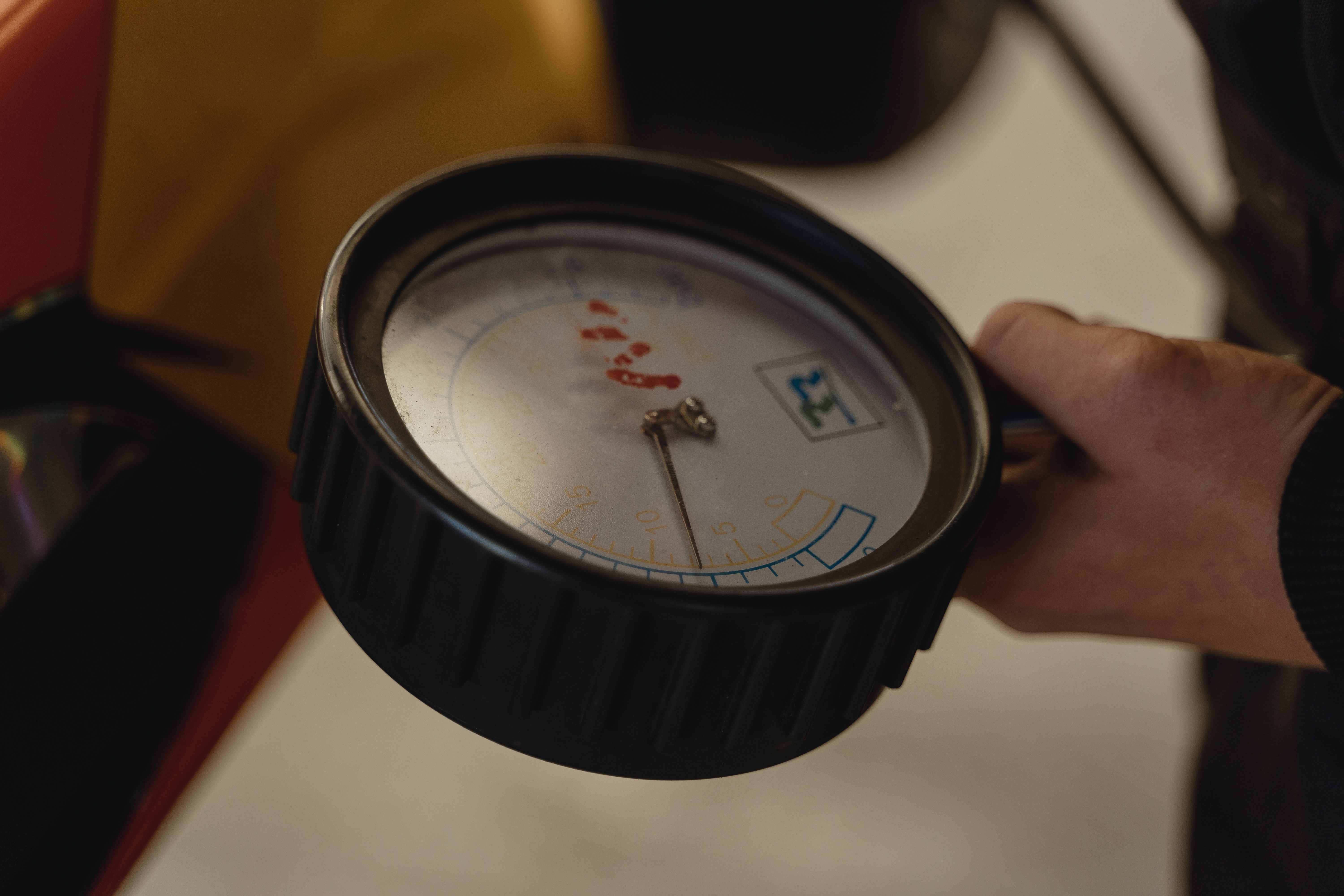
Tire pressure is the single most useful check you can make before a trip. Tires naturally lose air over time, and underinflation is one of the leading causes of tire failure. A tire does not need to be punctured to lose pressure.
For an accurate reading, check the pressure when the tires are cold, meaning they have not been driven for at least three hours. Driving warms the air inside, which raises the reading and can hide a real problem.
The correct number is not the figure molded on the tire wall. That number is the maximum pressure the tire can hold. The recommended pressure is listed on the placard on the driver’s door pillar or doorframe, or in your owner’s manual. Before you leave, use this simple routine:
- Look up the recommended cold pressure for your vehicle.
- Measure all four tires, and do not forget the spare if your vehicle has one.
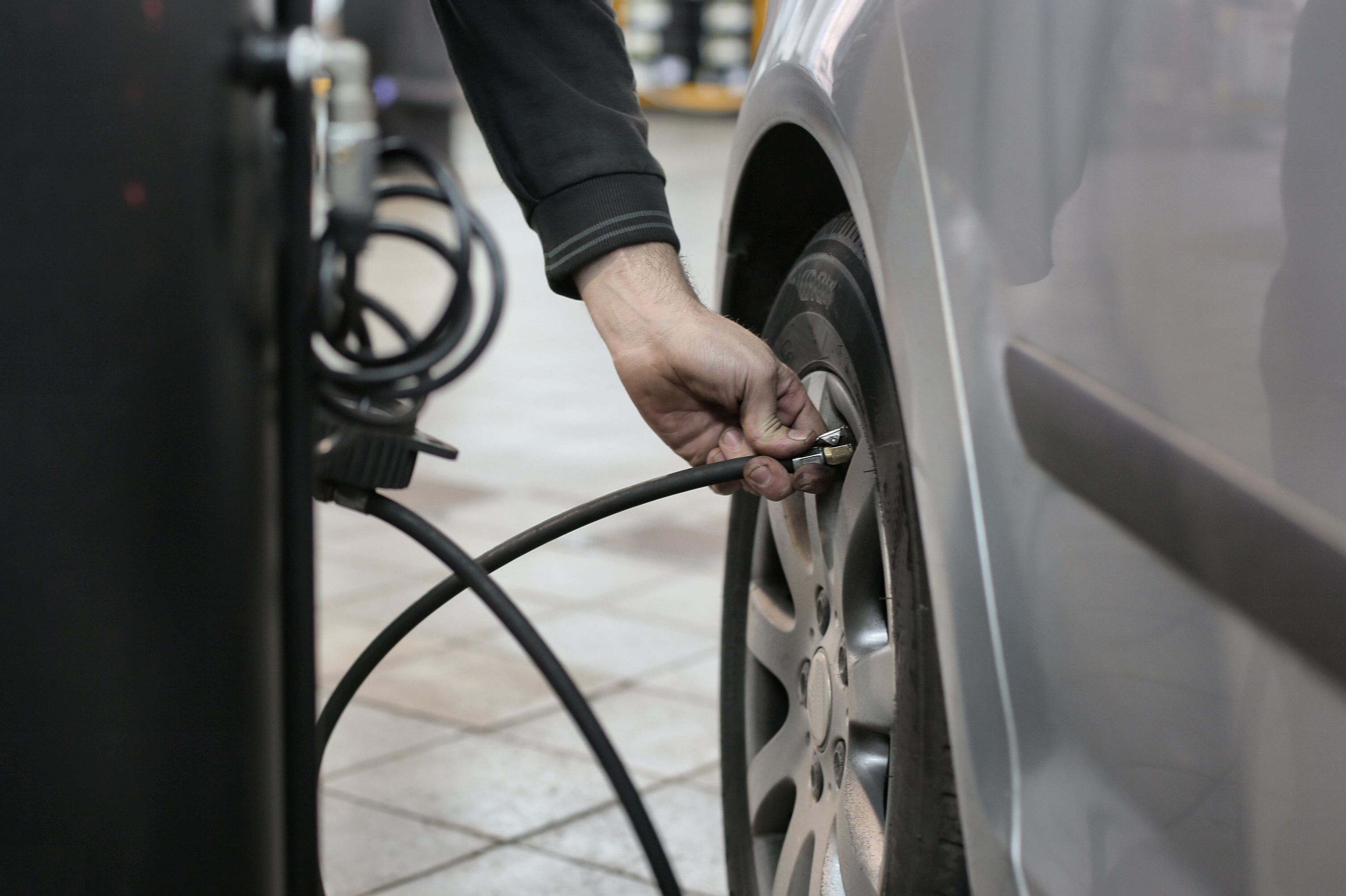
- Add or release air until each tire matches the recommended number.
- Recheck after the first day of driving, once the tires have warmed up.
A basic pocket gauge costs very little and is worth keeping in the glove box. Digital gauges are easier to read in low light, which matters if you start early in the morning.
Read the Sidewall and Respect Load Limits
Every passenger tire carries a string of letters and numbers on its sidewall. The size code, load index, and speed symbol tell you what the tire was built to handle. The Tire Industry Association’s guide to reading a tire sidewall explains each element in detail, and it is a useful reference before you buy replacements.
When you are packing, pay attention to load. Overloading a vehicle is a common cause of tire failure on long trips, especially when roof boxes and trailers are involved. The table below summarizes the core checks drivers should complete before any extended drive.
Inspect Tread Depth and Get Repairs Done Right
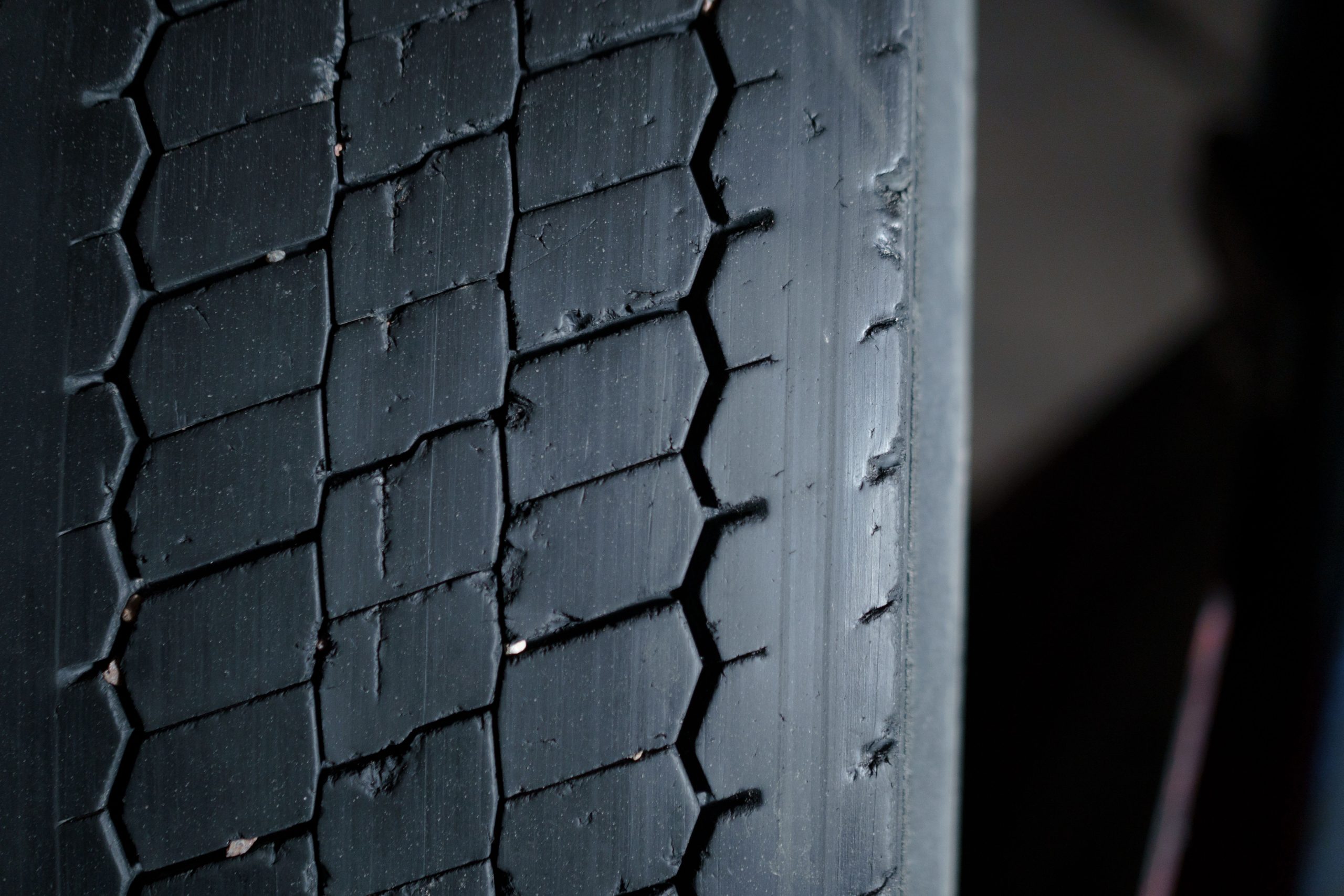
Tread is the part of the tire that actually meets the road, so its condition matters most when conditions get worse. Tires are generally considered unsafe and should be replaced once the tread wears down to 1/16 of an inch. Most tires have built-in treadwear indicators, which are raised bars in the tread grooves. When those bars sit level with the surrounding tread, it is time for new tires.
A quick penny test works in a pinch. Insert a penny into the tread with Lincoln’s head upside down. If you can see the top of his head, the tread is likely too shallow.
Inspect the sidewalls as well. Cuts, bulges, and cracks there are more serious than tread wear. Punctures through the tread area can sometimes be repaired, but damage to the sidewall generally cannot. Drivers who run pickups, vans, or towing setups should also keep in mind that heavier vehicles often need specialized help. If you find damage far from home, a shop offering truck tire repair services can assess whether a repair is safe or whether the tire needs to be replaced.
Pack a Spare and Plan Your Route
Preparation is what separates a minor delay from a ruined afternoon. Before you leave, make sure the trip essentials are in place:
- A spare tire that is inflated, undamaged, and suitable for the vehicle
- A working jack and lug wrench, with a quick test of how they fit
- A reliable tire pressure gauge and, if possible, a portable air compressor
- Roadside assistance details saved on your phone and in printed form
- Your owner’s manual, which lists rotation intervals and recommended pressures
Route planning also matters. If your trip includes long mountain grades, extended desert heat, or unpaved backroads, consider adjusting your schedule so you are not pushing hard during the hottest part of the day. Driving slightly slower can reduce heat buildup, and it gives you more time to notice vibration or pulling.
Keep an Eye on Tires During the Drive
Even a well-prepared trip needs attention on the road. Stop every few hours for a short walk-around, and look for changes that suggest a problem. Common warning signs include:
- A steering wheel that vibrates or pulls to one side
- A thumping sound that changes with speed
- A tire that looks visibly lower than the others
- A warning light on the dashboard for tire pressure monitoring
If you notice any of these, pull over somewhere safe and inspect the tire. Do not keep driving on a tire that is clearly underinflated. Driving on a significantly low tire can damage the tire beyond repair and can increase the risk of a sudden failure.

For official guidance on seasonal driving and trip preparation, the NHTSA’s summer driving and road trip tips page offers practical checklists that complement the advice above.
Frequently Asked Questions
How often should I check tire pressure?
At least once a month, and always before a long trip. Check the pressure when the tires are cold for the most accurate reading.
Should I inflate my tires to the pressure printed on the sidewall?
No. The number on the sidewall is the maximum pressure the tire can hold. Use the recommended pressure listed on the vehicle placard or in the owner’s manual.
When should tires be replaced?
Replace tires when the tread wears down to 1/16 of an inch, or sooner if the sidewalls show cuts, bulges, or cracking.
Is a spare tire necessary for a road trip?
Yes, if your vehicle has one. Confirm that it holds air, is in usable condition, and that you have the jack and lug wrench to install it.
Final Checklist Before You Leave
Good tire habits are less about one big inspection and more about a short routine repeated often. Before you turn the key on a long drive, confirm the cold pressure on all tires, check the tread and sidewalls for damage, make sure the load sits within the limits on your placard, and verify your spare and roadside tools. A few minutes at the start of the trip can prevent hours of trouble later, and it lets you focus on the route instead of worrying about what might go wrong.