
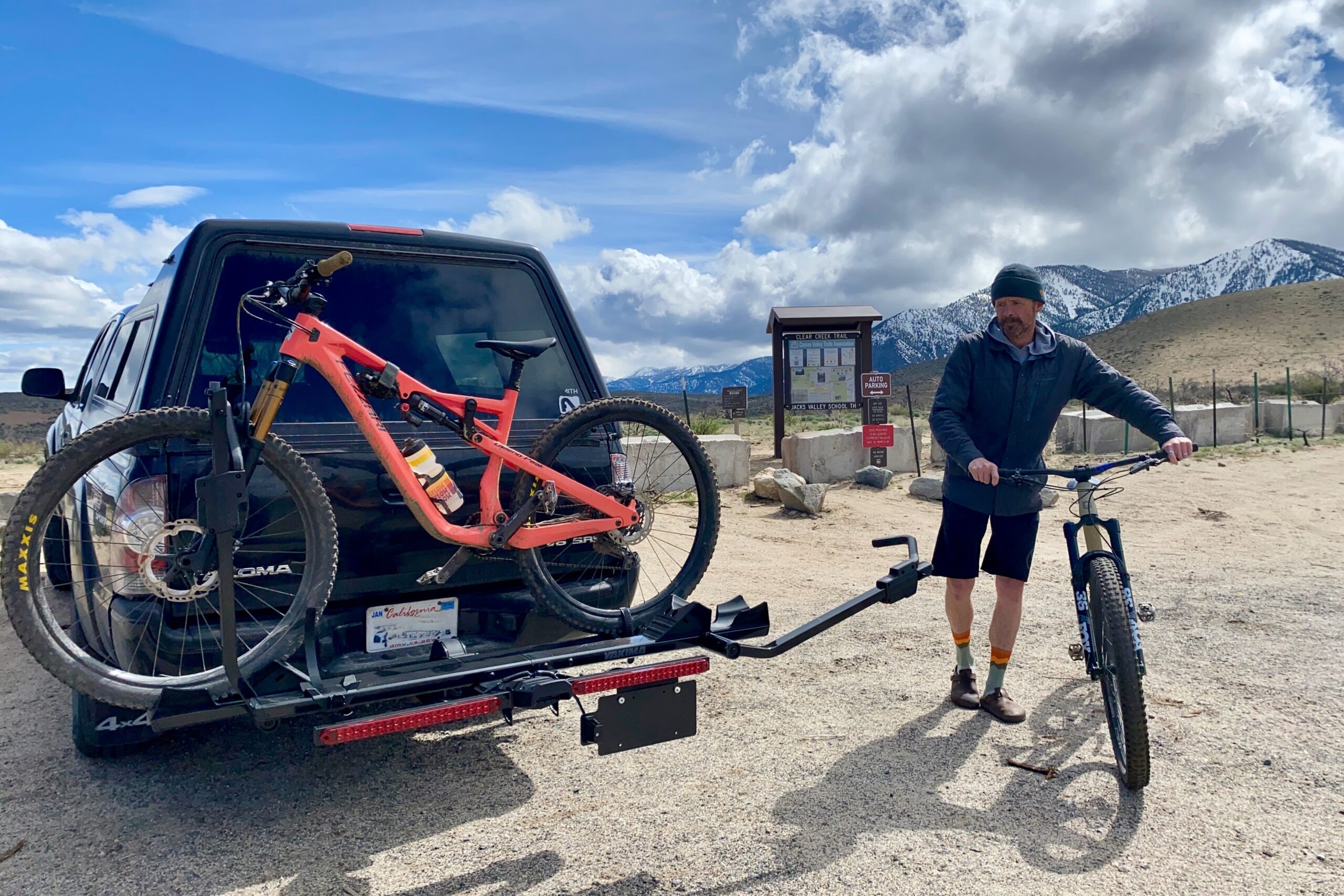
Hitch-mounted bike racks are a popular choice for cyclists who travel frequently, whether for weekend adventures or cross-country road trips.
They are convenient, easy to load, and capable of carrying multiple bikes without lifting them onto the roof.
Still, many drivers wonder: are hitch-mounted bike racks safe for long-distance travel?
The short answer is yes—when chosen correctly and used properly.
Safety depends on several factors, including rack design, installation, driving conditions, and ongoing maintenance.
Understanding these elements will help you decide whether a hitch-mounted bike rack is the right solution for extended journeys.
Why Hitch-Mounted Bike Racks Are Popular for Long Trips
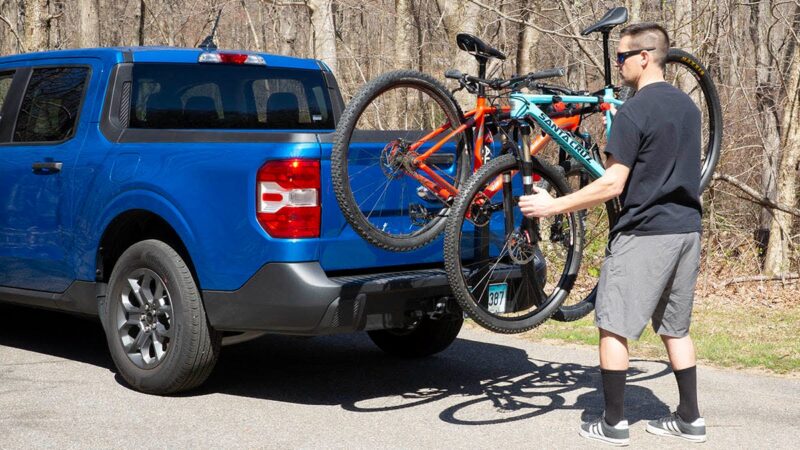
Compared to roof-mounted or trunk-mounted racks, hitch-mounted racks offer clear advantages for long-distance travel.
Bikes are easier to load and unload, fuel efficiency is often better than with roof racks, and the weight sits lower on the vehicle, improving stability.
Because of these benefits, hitch-mounted racks are among the most commonly used trailer hitch accessories for cyclists who travel long distances.
However, popularity alone does not guarantee safety—proper setup and usage matter.
Stability and Weight Distribution
One of the biggest safety factors is how well the rack stabilizes bikes during motion. Long drives expose racks to constant vibration, wind resistance, and road imperfections.
Key stability considerations include:
- A snug fit between the rack and the hitch receiver
- Secure bike attachment points (wheels and frames)
- Minimal side-to-side or vertical movement
A properly fitted rack should feel solid with little to no wobble when shaken by hand.
Excessive movement can lead to fatigue in mounting points and increase the risk of damage over time.
Hitch Class and Load Ratings
Hitch class and load ratings play a major role in how safe a hitch-mounted bike rack will be over long distances.
Every vehicle hitch is rated for a specific tongue weight, which is the downward force applied to the hitch.
Bike racks, especially those carrying multiple or heavier bikes, place constant stress on this rating throughout a long drive.
Most hitch-mounted bike racks are designed for Class I, II, or III hitches, but the difference between them matters more on extended trips.
A Class I hitch may be rated for lighter loads and shorter distances, while Class III hitches typically offer higher tongue weight limits and better long-term stability.
Using a rack near the upper limit of a lower-class hitch can increase flex, vibration, and fatigue over time.
It is also important to consider the real-world weight, not just the advertised bike count.
Electric bikes, full-suspension mountain bikes, and bikes with racks or accessories can weigh far more than standard road bikes.
When that extra weight sits several feet behind the bumper, leverage increases the load on the hitch beyond what many drivers expect.
Another common oversight is the use of hitch extensions or adapters.
While convenient, these often reduce the effective tongue weight rating, sometimes by as much as 30 to 50 percent.
For long-distance travel, staying comfortably below all published limits provides a margin of safety that helps protect both the vehicle and the rack from long-term stress.
Bike Security Over Long Distances
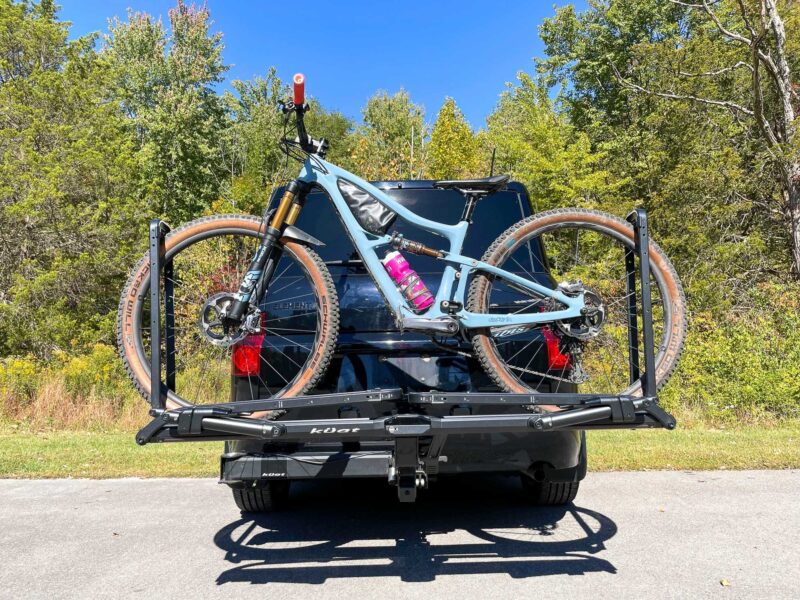
Security is another aspect of safety. While hitch-mounted bike racks keep bikes attached to the vehicle, they do not automatically protect against theft or loosening during travel.
For long-distance trips:
- Use locking mechanisms to secure bikes to the rack
- Ensure the rack itself is locked to the hitch
- Check straps and clamps at every fuel stop
Vibration over hundreds of miles can loosen fasteners, so periodic checks are a simple but effective safety habit.
Impact on Driving and Vehicle Systems
Hitch-mounted racks extend beyond the rear of the vehicle, which can affect driving behavior—especially over long distances.
Potential impacts include:
- Reduced departure angle on steep driveways
- Obstructed rear visibility or sensors
- Limited access to rear doors or tailgates
Drivers should also be aware of increased vehicle length when parking or reversing.
Adjusting driving habits and allowing extra space helps prevent accidents.
Road Conditions and Travel Environment
Long-distance travel usually involves a mix of driving environments, from smooth highways to rural roads, construction zones, and occasionally gravel or uneven pavement.
Hitch-mounted bike racks perform best on consistent, paved surfaces where motion remains predictable.
On rougher roads, constant vibration and sharp impacts place additional stress on both the rack structure and the bike attachment points, which can gradually loosen hardware or increase movement over time.
For extended trips that include uneven surfaces, stability becomes more important than maximum carrying capacity.
Driving at moderate speeds, especially on poorly maintained roads, reduces shock loads transferred through the hitch.
More frequent visual and physical checks of mounting points help catch small issues before they turn into bigger problems.
When used within their intended limits, trailer hitch accessories like bike racks are built to handle long journeys, but road conditions demand extra awareness and a more cautious approach from the driver.
Wear, Fatigue, and Maintenance
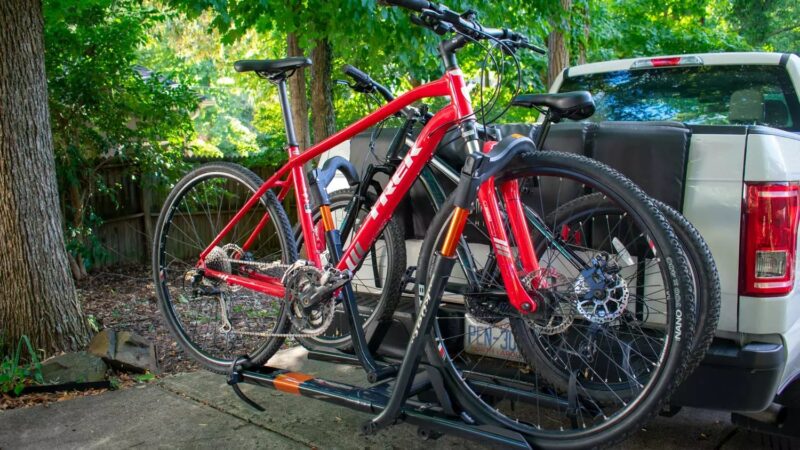
Long trips expose racks to continuous motion, which can accelerate wear.
Safety over distance improves when racks are maintained properly.
Good practices include:
- Inspecting bolts and pins before departure
- Lubricating moving parts if recommended
- Checking for cracks or metal fatigue after trips
Regular maintenance not only improves safety but also extends the life of both the rack and your bikes.
Situations Where Extra Caution Is Needed
While hitch-mounted bike racks are generally safe, certain situations require added care:
- Carrying high-value or delicate bikes
- Driving through extreme weather conditions
- Using extension adapters that reduce capacity
In these cases, reducing speed, increasing inspection frequency, and minimizing travel on rough roads can significantly improve safety.
Conclusion
So, are hitch-mounted bike racks safe for long-distance travel? Yes—when matched correctly to your vehicle, installed properly, and checked regularly.
They offer excellent stability, easy access, and practical weight distribution, making them a reliable choice for extended trips.
Like all trailer hitch accessories, safety comes down to understanding limits and using the equipment as intended.
With the right preparation and attention, hitch-mounted bike racks can carry your bikes securely across hundreds or even thousands of miles, letting you focus on the journey—and the ride ahead.